

December 20, 2022 · by Changjae Lee
LLMs: Revolutionizing AI-Powered Communication
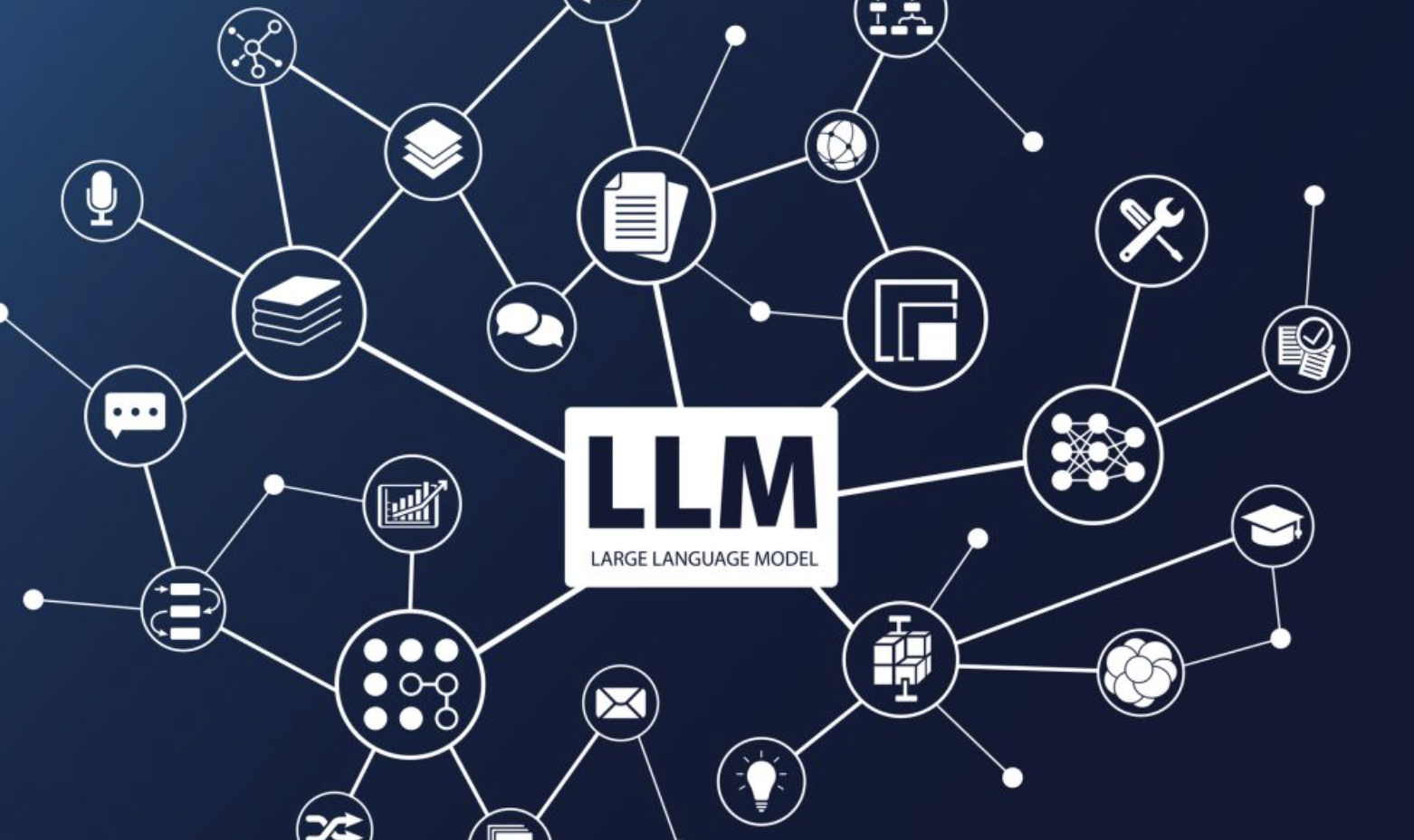
Language Models (LMs) have undergone remarkable advancements in recent years, culminating in the development of Large Language Models (LLMs). These models, powered by deep learning techniques, have demonstrated unprecedented abilities in understanding, generating, and manipulating human language. This article delves into the architecture, training methodologies, applications, and ethical considerations surrounding LLMs.
Evolution of Language Models
The journey from traditional n-gram models to modern transformer-based LLMs represents decades of research and innovation in natural language processing.
Traditional Approaches
Early language models relied on statistical methods and rule-based systems, with limited capability to capture complex linguistic patterns.
The Transformer Revolution
The introduction of the transformer architecture marked a turning point, enabling models to process text more efficiently and capture long-range dependencies.
Architecture of Modern LLMs
Modern LLMs are built on the transformer architecture, which consists of:
- Self-Attention Mechanisms: Allowing the model to weigh the importance of different words in context
- Feed-Forward Networks: Processing information at each layer
- Layer Normalization: Stabilizing the training process
- Positional Encoding: Capturing the order of words in sequences
Training Methodologies
Training LLMs involves several sophisticated techniques:
Pre-training
Models are first trained on massive text corpora to learn general language patterns and world knowledge.
Fine-tuning
Pre-trained models are then adapted to specific tasks or domains through additional training on targeted datasets.
Reinforcement Learning from Human Feedback (RLHF)
This technique aligns model outputs with human preferences, improving response quality and safety.
Applications in Communication
LLMs are revolutionizing various aspects of communication:
- Content Creation: Automated writing, copywriting, and creative content generation
- Translation: Real-time, context-aware translation between languages
- Chatbots and Virtual Assistants: More natural and helpful conversational AI
- Accessibility: Making information more accessible through summarization and simplification
Ethical Considerations
The deployment of LLMs raises important ethical questions:
- Bias and Fairness: Ensuring models don't perpetuate or amplify societal biases
- Misinformation: Preventing the generation and spread of false information
- Privacy: Protecting user data and preventing unauthorized information disclosure
- Transparency: Making model decisions more interpretable and accountable
Future Outlook
The field of LLMs continues to evolve rapidly, with research focusing on:
- Improving efficiency and reducing computational costs
- Enhancing multi-modal capabilities
- Better alignment with human values
- More robust and reliable performance
Conclusion
Large Language Models represent a significant milestone in AI development, offering unprecedented capabilities in understanding and generating human language. As we continue to refine these technologies and address their challenges, LLMs will play an increasingly important role in shaping how we communicate and interact with information in the digital age.